
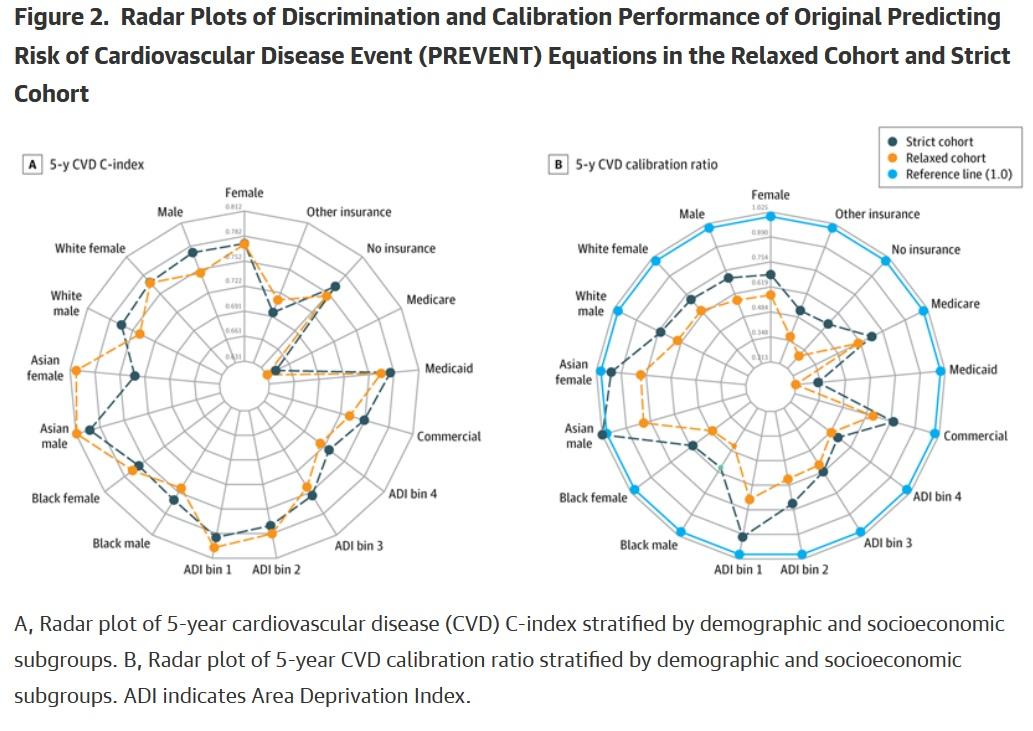
Duke Researchers Evaluate How the PREVENT Score Performs in Real World Clinical Care
A new study in JAMA Cardiology looks at how the PREVENT score, a tool used to estimate a person’s risk of developing heart disease, performs in
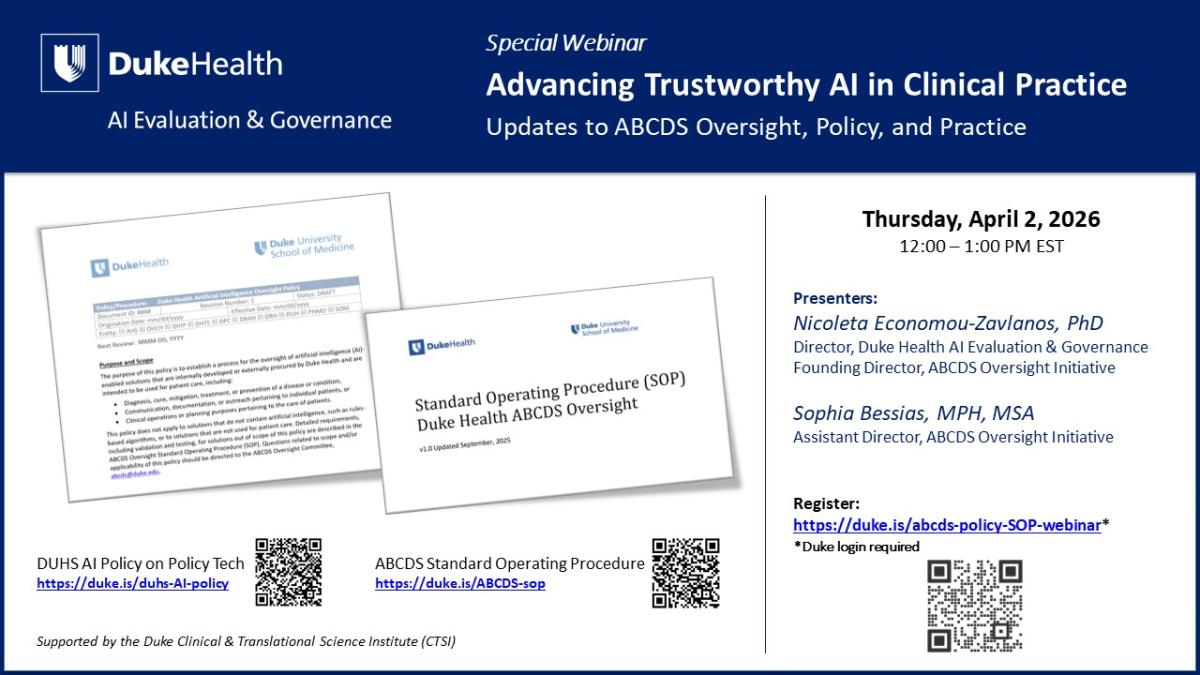
Special Webinar on Advancing Trustworthy AI in Our Clinical Practice: Updates to ABCDS Oversight, Policy, and Practice
***For Duke Faculty, Staff & Students only***

E&G Director to Present Keynote at SAS Health Care Community Connection Virtual Event
Duke Health AI Evaluation & Governance Program Director Nicoleta Economou, PhD, will deliver the keynote a
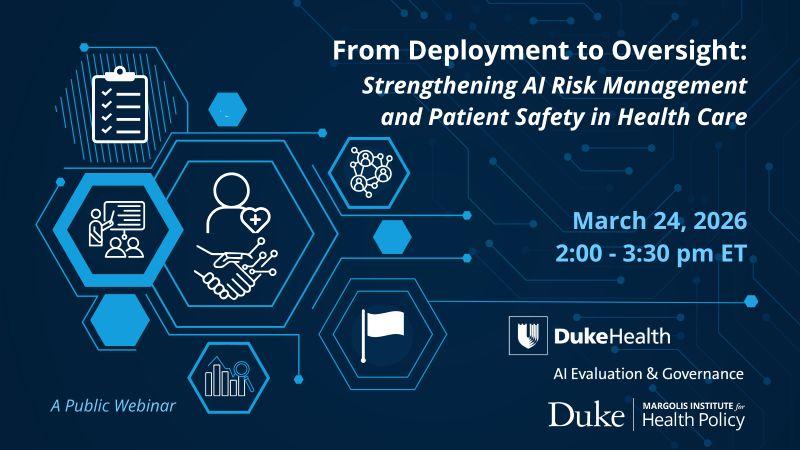
Webinar: From Deployment to Oversight – Strengthening AI Risk Management and Patient Safety in Health Care
Clinical AI tools are increasingly embedded in care delivery, creating new opportunities to improve outcomes but also new patient safety risks that require proactive risk management.

Duke Health AI Evaluation & Governance Program being represented at HIMSS 2026
ABCDS Oversight Initiative Committee Chair, Dr. Eric Poon, will represent Duke at the upcoming HIMSS 2026 Annual Conference.

Paper: Bridging the governance gap in health AI - Integrating nursing perspectives into the National Academy of Medicine AI Code of Conduct
A new perspective in JAMIA by Duke's Michael Cary, Nicoleta Economou, and colleagues highlights an often over

Guest Editorial: Consensus-Based Considerations for AI Usefulness in Healthcare
Our article, “Bridging the Gap: Consensus-Based Considerations for AI Usefulness in Healthcare,” is now published in The American Journal of Bioethics.

Duke Health AI E&G Welcomes Erasmus MC's Michel van Genderen to Duke
The Duke Health AI Evaluation & Governance Program congratulates Michel van Genderen, MD, PhD, on his appointment as Adjunct Associate Professor in the Duke Department of Biostatistics & Bi
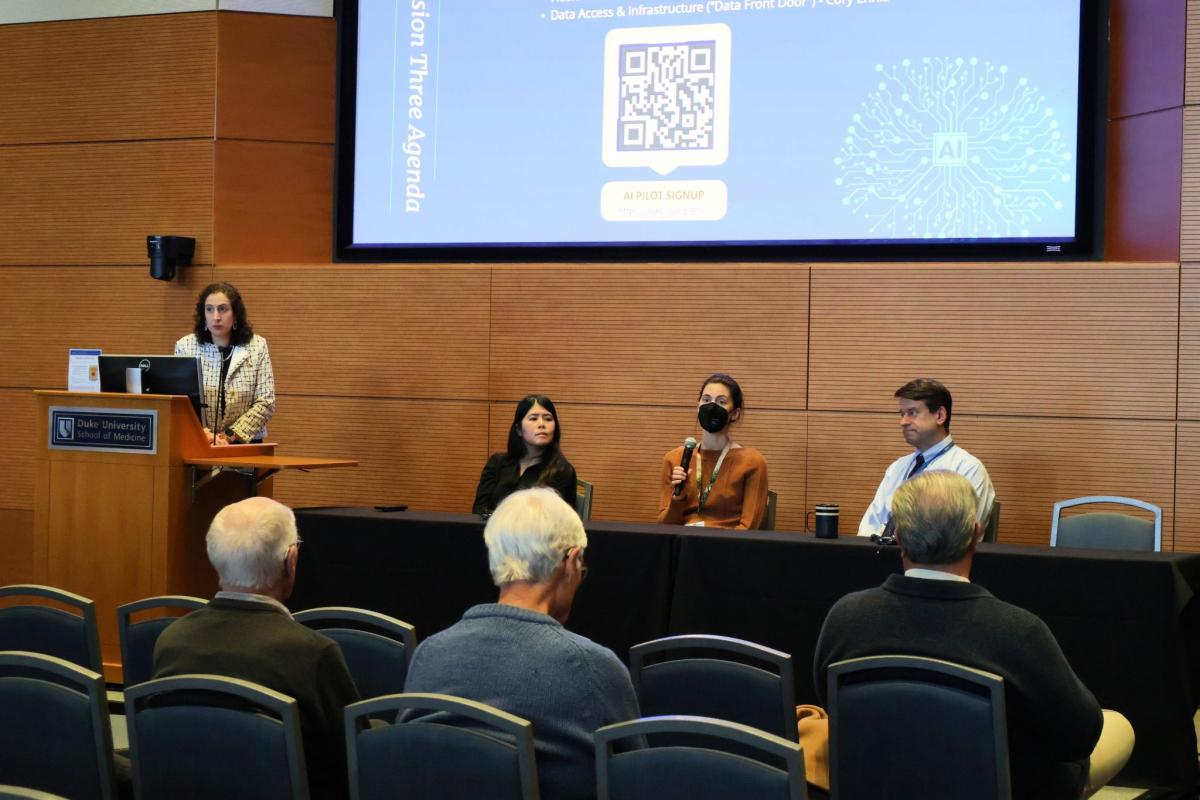
Duke Health AI E&G at the Duke Department of Medicine AI Symposium
Duke Department of Medicine AI Symposium (January 30, 2026): In January, ABCDS Oversight Assistant Director Sophia Be

Paper: A Federated Learning Framework for Ethical Dynamic Treatment Allocation Across Heterogeneous Hospitals
New research published in the Journal of Biomedical Informatics by Duke researchers Xenia Konti, Nicoleta Economou-Zavlanos, Michael M.